
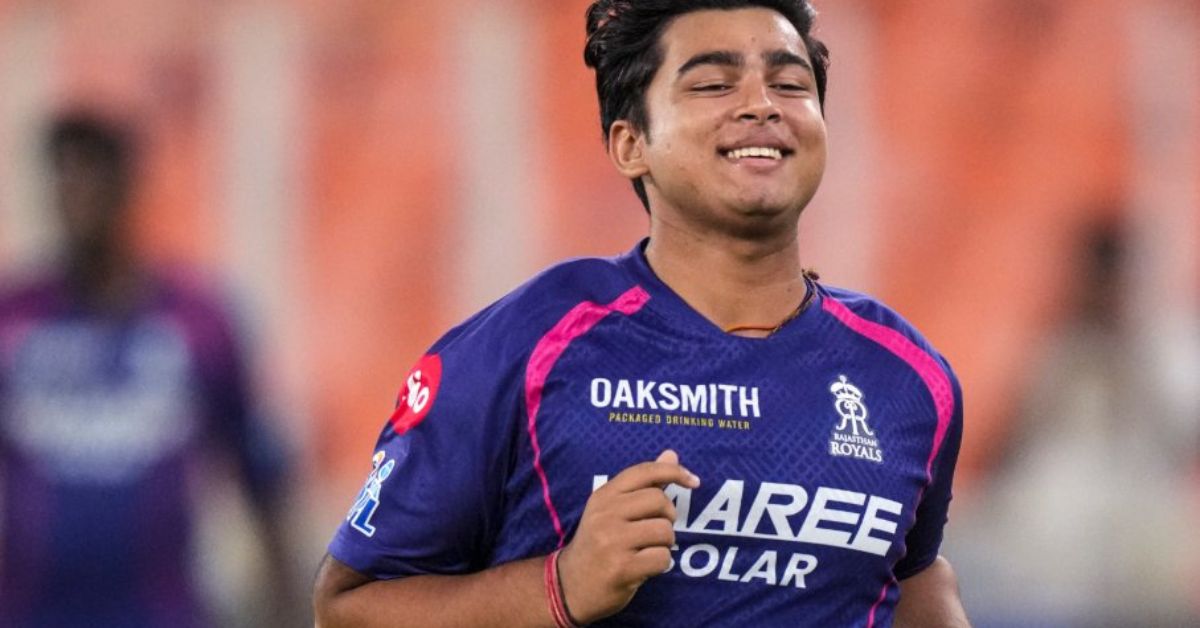
Fast-Tracking Young Athletes: Striking the Right Balance between Success and Childhood
NEW DELHI: Every innings adds to the hype. Every run strengthens the belief that Indian cricket has found its next prodigy. But beneath the helmet and beyond the headlines, Vaibhav Sooryavanshi remains a 15-year-old navigating the challenges of adolescence even as he carries the expectations of a cricket-loving nation.
As India celebrates the batting sensation’s extraordinary rise and eagerly awaits his international debut, a broader question is gaining attention within sporting circles: how can elite sport protect the childhood of exceptionally gifted athletes while helping them fulfil their immense potential?
The dilemma is far from new. Across sports, prodigies have dazzled audiences with performances well beyond their years, but history has also shown that early success can bring intense scrutiny, relentless pressure, and emotional challenges that extend well beyond the playing field.
For selectors, coaches, and administrators, the task is not merely identifying rare talent but creating an environment that allows young athletes to develop at their own pace without sacrificing education, emotional well-being, and personal growth.
Experts argue that while extraordinary ability may accelerate a sporting career, it should not hasten adulthood. The demands of elite competition, constant media attention, commercial expectations, and social media exposure can become overwhelming for teenagers who are still developing mentally and emotionally.
As India looks forward to witnessing another potential cricket superstar emerge, many believe the ultimate measure of success will not only be the runs he scores, but also whether he is allowed to grow into adulthood with the same care and patience that his remarkable talent deserves.