
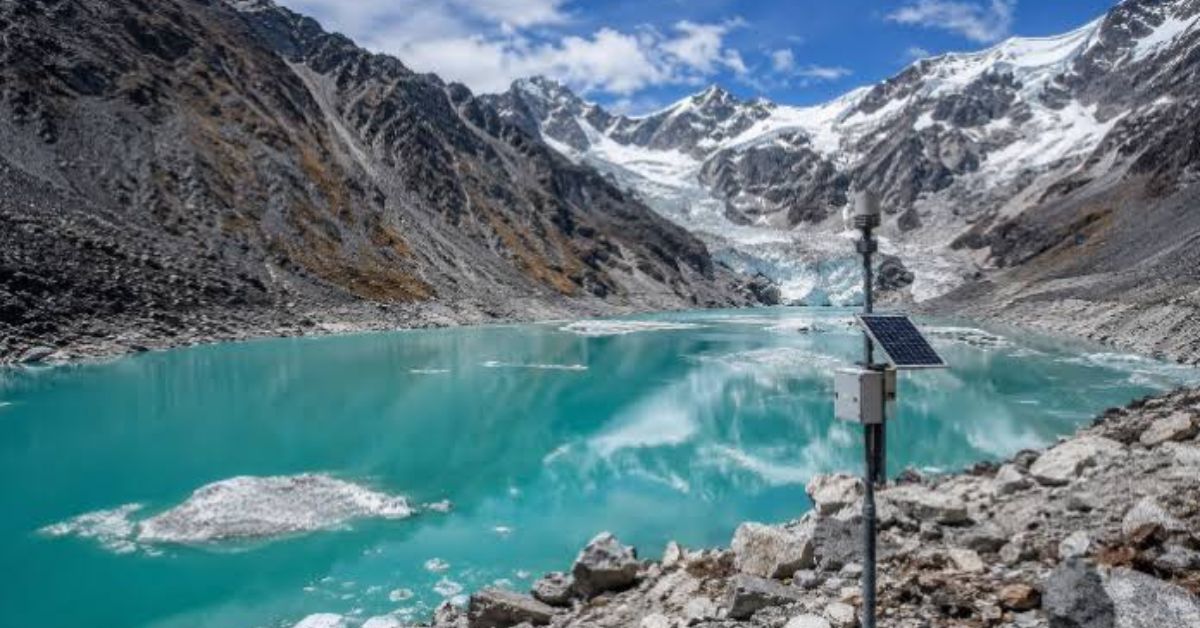
40 High-Hazard Glacial Lakes Mapped in Sikkim; 16 at Extreme Risk
GANGTOK: Sikkim has identified 40 high-risk glacial lakes, including 16 classified as Category A, the state’s most vulnerable category, as authorities step up efforts to assess and mitigate the threat of Glacial Lake Outburst Floods (GLOFs).
According to officials, the 40 lakes are among those identified as high-risk across the Indian Himalayas by the National Disaster Management Authority (NDMA). Of the 40 in Sikkim, two have been placed in Category B, nine in Category C, while 13 remain unclassified.
Principal Secretary of Sikkim’s Science and Technology Department Sandeep Tambe said authorities are using satellite imagery, remote sensing and field investigations to monitor changes in the lakes and assess their vulnerability. Detailed scientific studies have been completed at 13 of the 16 Category-A lakes.
Many of the vulnerable lakes are located at elevations of around 17,000 feet, making access difficult. Teams have been conducting water-volume and depth measurements, geophysical investigations, flood modelling and assessments of the stability of moraine dams that hold back glacial lakes.
The state has also begun preparing lake-specific mitigation plans. Shako Chho, the Lhonak Valley and the Gurudongmar lake complex have been prioritised for interventions, including a proposed solar-powered pumping system at Shako Chho, a flood-retention structure in the Lhonak Valley and a safety wall near Gurudongmar.
The heightened focus comes after a devastating glacier-related flash flood in Nepal on August 26. While that disaster was not a Glacial Lake Outburst Flood, it underscored the broader risks posed by changing Himalayan environments, where glacier retreat, ice and rock collapses and the expansion or formation of high-altitude lakes can create hazards downstream.
Sikkim itself experienced a catastrophic GLOF in October 2023, when South Lhonak Lake breached and sent a massive flood through the Teesta river basin. The disaster killed 24 people, left more than 70 missing and damaged major infrastructure, including bridges and a hydropower project.
Officials say the latest scientific assessments are intended to move the state from simply monitoring vulnerable lakes to implementing site-specific measures aimed at reducing the potential impact of future glacial disasters.